





The UEFA Champions League elimination stages (April 28-June 1) and the FIFA World Cup 2026 (June 11-July 19) are two times when digital advertising is at its most competitive. Attention is limited, and costs go up. These events bring in a lot of traffic, but only if you know how to deal with the chaos. Understanding what 2026 holds for advertisers is the first step before committing any budget. This playbook explains auction shifts, mistakes to avoid, and winning moves that can help you run scalable ad campaigns.
What happens to the ad auction during traffic surges
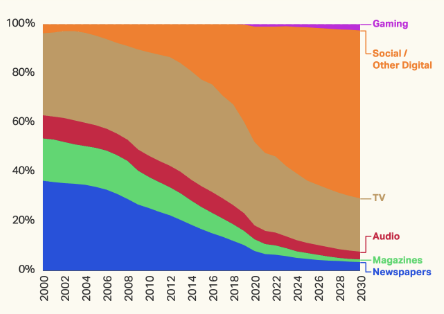
When the Champions League semifinals or FIFA World Cup matches are on, platforms get a lot of traffic, but so do advertisers, which makes auctions slow down and CPMs go up. WARC Media says that the global ad spend for the FIFA World Cup 2026 will rise by $10.5 billion, and CPMs will go up a lot during the knockout rounds. If you’re a fintech advertiser running Champions League tie-ins, bidding wars can quickly eat into your profits unless you change.

Inventory quality varies, bots and casual scrollers make real engagement less valuable, and you have to spend more to get fewer qualified leads. Static budgets run out in hours, but dynamic tools that change with demand are better. In crypto marketing, where timing is more important than volume, this change needs to be exact.
The illusion of peak traffic volume
Having more users doesn’t always mean better results. Surges often cause fans to lose focus and lower the quality of the signal as they switch between tabs. Broad traffic looks good on paper, but it doesn’t convert well; casual viewers leave quickly, and high competition takes the scraps at high prices. Algorithms have a hard time telling the difference between users who are interested and those who are not, which makes delivery less efficient. Smart digital advertising puts quality ahead of quantity.
Where smart advertisers actually win during peaks
Overlooked gaps emerge when crowds chase headliners. Here’s where performance shines.
Capturing early intent before competition peaks
Advertisers win by raising their bids a week before the peaks, getting people to know about their products, and retargeting pools before their competitors come in. Hit the gas right before the knockout rounds, when fans start looking for “Champions League predictions” or “FIFA World Cup 2026 schedule.” Interest in searches goes up after draws and brackets go down, but auctions haven’t gotten too hot yet, so this is the cheapest window in the whole event cycle. Broadsign’s 2026 playbook shows geo-fences around stadiums, airports, and fan zones that catch travelers with real-time offers.
Targeting high-value audience segments instead of mass reach
During Champions League or World Cup surges, every advertiser targets “soccer fans.” There is no doubt that the soccer audience will be huge in 2026. As Zack Sugarman, SVP at global sports intelligence firm Two Circles, put it:
“Total video views for global soccer on social hit 484 billion over the past year, a 453% increase over the last five years, underscoring just how deeply this generation connects with the sport through digital platforms.”
The chance is to find out which part of that audience is already ready to act. Try to focus on niches. Users already active in the on-chain economy respond far better than generic traffic. Earnings platforms perform best targeting recent blockchain traders, not casual viewers. Specialized platforms like Bitmedia reach active crypto users who are really interested, which helps them avoid bidding wars that happen with social media ads.
Using niche placements and alternative traffic sources
During the Champions League semifinals, popular platforms get overloaded. Instead, go niche. Crypto sites keep a steady supply of wallets for their users. Programmatic pockets go after on-chain users based on their DEX/DeFi behavior. Dynamic ad platforms like Bannerflow automatically update iGaming ads with live scores. These channels avoid social media bidding wars during World Cup spikes. Crypto traffic stays open while the amount of general sports inventory goes up by 3 to 5 times.
Timing campaigns around match schedules and downtime
FIFA World Cup 2026 spans 104 matches across the USA, Canada, and Mexico. This extended format creates multiple timing windows. Halftime breaks get people’s attention back. FIFA now permits ads during mandatory hydration pauses mid-half. Pressure eases compared to live action. Post-whistle surges (24-72 hours after matches) outperform live broadcasts for Millennial/Gen Z engagement. SaaS demos, crypto signups, and iGaming offers convert strongest here.
Adapting creatives to fast-changing user attention
Quick pivots beat static ads during Champions League or World Cup chaos. Fans shift to post-match debates in seconds. Urgency banners fire on real-time triggers like goal alerts and penalty calls. Knowing which ad formats perform best in these moments makes the difference. Interactive formats like polls, like “Who wins this match?”, drive clicks when fans are already arguing the call.
Budget allocation strategies during high-demand periods
Not all phases of a major sporting event carry equal value, and treating them as if they do is one of the most costly mistakes in event-driven campaign planning. A smarter framework distributes budget across three phases: pre-event, live-event, and post-event.
Pre-event spend targets intent before prices peak. This is where performance advertisers have the clearest advantage; audiences are already engaged, but most competitors haven’t activated yet. As one holding company media buyer told Digiday,
“If you weren’t in the market for the World Cup eight months ago, you’re probably looking at a situation that has limited availability and high pricing.”
Live-event spend is where the auction becomes most aggressive. The priority here shifts to conversion, reaching users most likely to act, not the largest possible crowd. Lock in programmatic buys and retail placements early to avoid rate spikes.
Post-event spend is the most overlooked phase, and often the most efficient. Retargeting pools built during peak traffic and remarketing to users who showed interest but didn’t convert perform strongly in the lower-competition window that follows. This is where temporary attention becomes sustainable growth.
How Bitmedia enables efficient scaling during peak demand
Bitmedia skips mainstream auction chaos, delivering audited crypto traffic directly to wallet holders. During Champions League semifinals or World Cup rushes, its bot-filtered network stays stable while general platforms spike CPMs. Wallet targeting reaches actual users whose wallet activity already signals purchase intent, like NFT holders, DeFi users, not casual sports scrollers. Geo, and device controls access crypto niches without bidding wars, and RTB infrastructure for crypto publishers powers clean, predictable inventory that scales when mainstream channels bloat.
Post-peak advantage: turning short-term traffic into long-term value
The end of a major event marks the beginning of the most efficient phase of the campaign cycle. During busy times, advertisers gather information about people’s behavior that shows you exactly who was close to converting and why they didn’t. This information is then used to help the business grow after the event. As competition drops, brands can re-engage users at lower costs with conversion-focused messaging. This works especially well for subscription SaaS platforms, crypto services onboarding new users, and financial products that need multiple touchpoints before converting.
Winning the attention economy during peak events
Success during high-demand periods doesn’t come from spending more than your competitors. It is about finding the gaps your competitors missed and being there before the price catches up, where your actual audience is spending time. The Champions League and FIFA World Cup 2026 will generate enormous traffic, but the advertisers who win will be the ones who were already in position before the opening match. In this environment, platforms like Bitmedia provide a measurable advantage with direct access to audiences who already have purchase intent.

Related Posts