





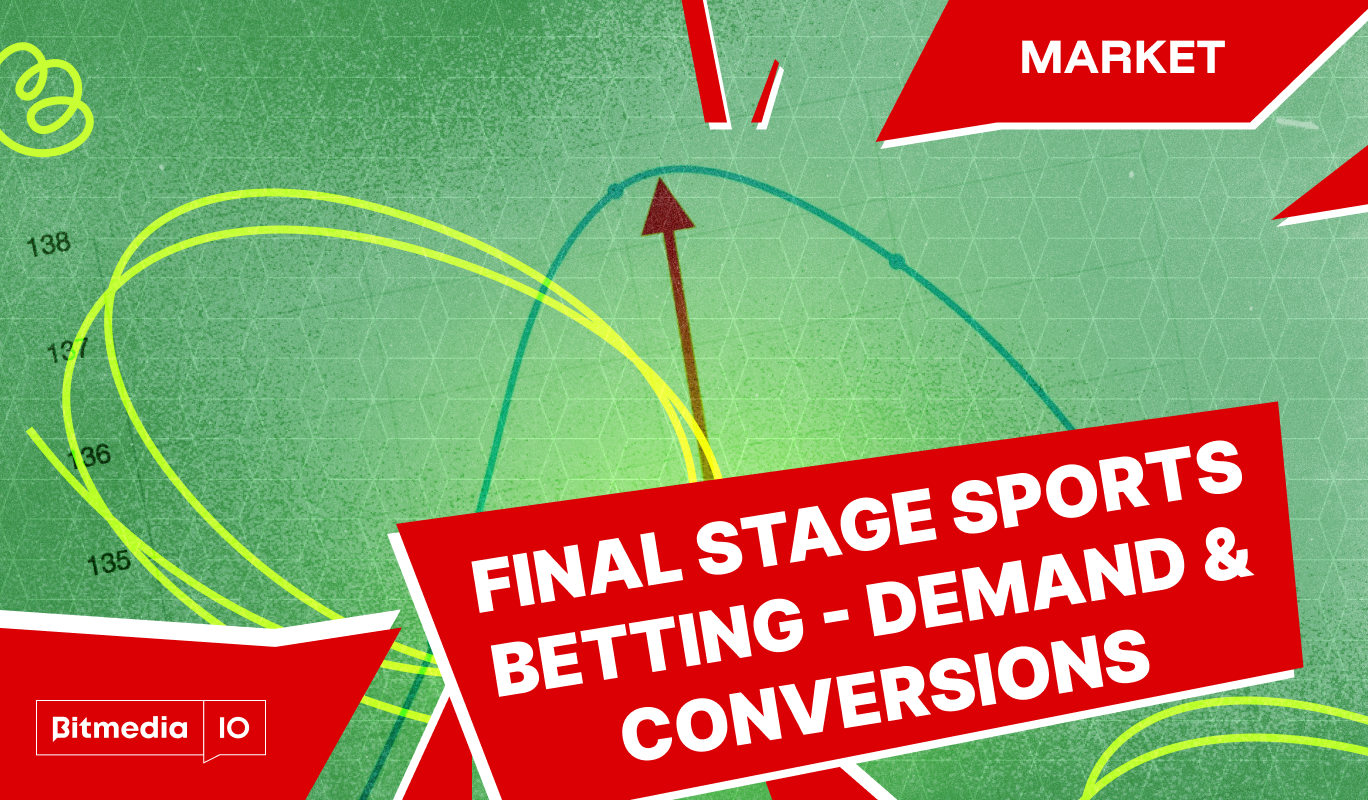
Sports betting has a highly dynamic line. It rises with the rhythm of the tournament. Demand builds slowly through the group stages, then climbs sharply as the bracket narrows. By the time a championship reaches its final matches, activity has compounded into something unrecognizable compared to week one. That trajectory follows predictable patterns in audience behavior and market psychology that repeat across every major competition. Advertisers and crypto betting platforms that plan their campaigns around UEFA and FIFA tournaments need to know why demand spikes so dramatically at the end in order to set budgets and user goals.
Why betting activity increases toward the finals
Audience size grows sharply once a tournament narrows. Group-stage matches draw dedicated fans. Knockout matches pull in millions of casual viewers who watch purely for the drama of elimination football. Each round removes half the field, and each removal raises the emotional stakes for the teams and bettors still standing.
Media coverage compounds the effect. Once the group stage ends, newsrooms and social feeds almost completely switch to tournament storylines. That coverage puts wagering apps in front of audiences that aren’t actively seeking them out. Macquarie analyst Chad Beynon projects global World Cup 2026 wagers will top 50 billion dollars. That’s up from roughly 35 billion dollars during the 2022 tournament. An increase in interest late in the tournament is a big reason for that jump.
Bettors also have an edge in information. By the knockout rounds, injury reports, form data, and head-to-head histories are far more reliable than they were during the group stage. That clarity encourages bigger, more confident bets instead of the speculative wagers common early in the FIFA World Cup schedule.
User psychology at the final stage
Tournament betting is as much psychological as statistical. Fear of missing out (FOMO) drives much of the late-tournament betting surge. As the match count shrinks, each remaining game feels irreplaceable. When a title race starts to take shape, bettors who stayed away from the group stage often jump in.
Urgency plays a similar role. A bettor who didn’t pay attention to dozens of qualifying and group games now has only a few chances to bet on a favorite team or a hunch. That scarcity pushes stake sizes higher, especially among high-value crypto bettors trading in stablecoins. The reduced friction of digital payments can make aggressive wagers feel less risky than they are.
This period is also when casual viewers convert into high-intent bettors. Someone who placed a small bet during the group stage is far more likely to place a serious wager once their team, or a favorite, reaches the semifinal.
Market dynamics and liquidity spikes
Betting volume and prediction-market liquidity both rise as the bracket tightens. Polymarket, Kalshi, and other regulated prediction platforms have reported record trading volumes tied to World Cup contracts. Polymarket’s annualized revenue briefly topped 1 billion dollars during the tournament, a level it had not reached before.
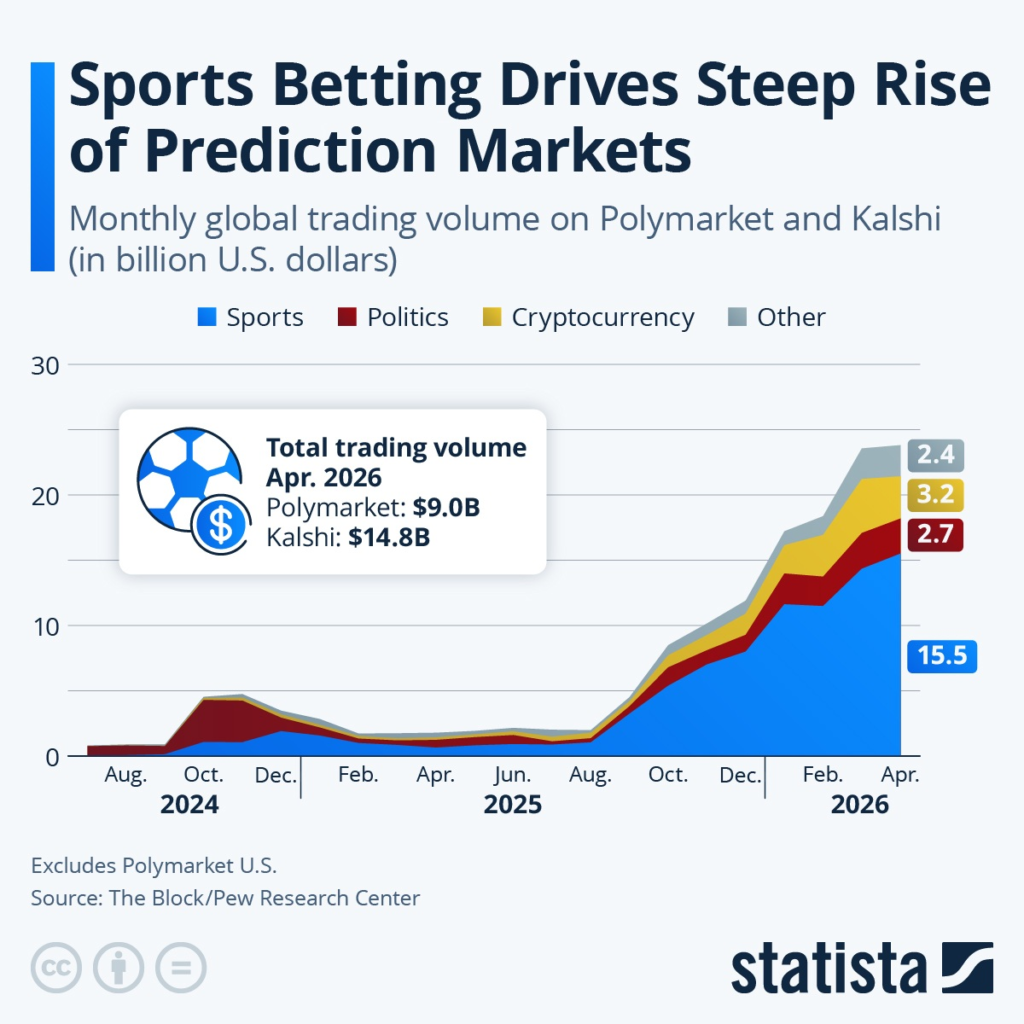
That volume brings tighter odds and more competitive pricing, since sportsbooks adjust lines faster when handle is high. There are also many promotions around the knockout rounds because bookmakers are all trying to attract the same large number of new users. H2 Gambling Capital predicts that regulated World Cup 2026 betting will reach $60 billion. The expanded 48-team format and far more legal betting markets than in 2022 are behind that growth.
This period comes at a cost to advertisers. CPA and CPM rates climb sharply as sportsbooks bid harder for visibility. This makes early positioning far more valuable than trying to buy attention once the final approaches. Operators who book placements before the knockout rounds usually pay less per acquisition. Waiting until the last week means bidding against nearly every major sportsbook for the same keywords and audiences.
Why this is the most valuable traffic window
Traffic during the closing rounds converts at a higher rate than traffic earlier in the tournament. Visitors arriving through knockout-stage content already have purchase intent. They’re checking promotions or searching for a place to deposit before kickoff.
Average deposit sizes also go up. People risk more money per bet on final-stage games than they did on low-stakes group games. Decisions also happen faster. A bettor scanning odds an hour before a semifinal isn’t browsing casually. They’re ready to act.
Early-stage traffic usually has many one-time visitors testing out a platform. Late-tournament traffic, on the other hand, acts more like a warm, valuable audience segment in almost every performance metric that sportsbook marketers care about. Bettors arriving in this window have usually already compared several operators earlier in the tournament. So the platform with the sharpest offer at the right moment earns the signup.
Advertising strategies for peak demand
Budgets should scale up ahead of the semifinals rather than staying flat across the tournament. Waiting until the final to increase spend means competing against every other operator at the moment CPMs peak.
Live-match inventory isn’t the only place demand concentrates. Alex Brownsell, head of content at WARC Media, has pointed out:
“This World Cup is no longer just about live matches – brands will engage with fans across touchpoints before, during, and after matches have concluded. Media plans will include platforms that benefit from the conversation around the World Cup without the burden of bidding for rights, from creator content to podcasts, turning conversations around the games into powerful opportunities for connection and impact.”
Creatives should lean into urgency. Last-chance messaging and limited-window promotions match the mindset of bettors who know their opportunities are running out. Platforms can pair this with the conversion-focused creative strategy outlined for football campaigns to keep messaging sharp during the busiest weeks.
Retargeting is as important as new creative. The knockout stages are a chance to remarket to those visitors who engaged during the group stage but didn’t convert. They’ve already shown intent, and a well-timed reminder can help convert them.
Budgets work best when you focus them on high-performing GEOs and optimize them for conversions instead of awareness. Operators building campaigns around this window can look to proven approaches for World Cup ad creative for a starting framework.
Crypto betting advantage during peak moments
Crypto sportsbooks have a clear advantage during periods of high demand. Faster settlement means bettors can get their winnings and move capital around in minutes instead of days, which is important when you have several matches happening in the same week.
Fewer restrictions on payments also increase the addressable audience. Bettors in regions with limited access to traditional banking rails can still participate through crypto platforms. That’s a real advantage in a tournament hosted across three countries with very different payment systems. For advertisers running international campaigns, that accessibility matters most during the final weeks. Demand from fans outside the host countries peaks right alongside domestic interest.
Crypto platforms tend to attract high-value, privacy-focused users who prefer not to route large wagers through conventional banking systems. Combined with better global accessibility, this makes crypto sportsbooks a strong fit for advertisers targeting the international audience that peaks during the tournament’s closing weeks.
What advertisers should lock in before July 19
Betting demand and advertiser competition rise together as any championship narrows toward its final match. The 2026 final is set for July 19 at MetLife Stadium, which gives operators an unusually precise deadline to work backward from. Sportsbook inventory around the semifinals typically sells out days in advance, since every major brand is bidding for the same placements at once. Campaigns that go live only once the final matchup is known are already competing against budgets that locked in pricing during the quarterfinals. The advertisers who benefit most will be the ones who move early. They’ll schedule their peak spend two weeks before everyone else starts looking for inventory.

Related Posts