






A study published by the University of Surrey reports that up to 90% of blockchain-based startup initiatives are expected to fail. However, investors continue to hold a positive view of the sector. By 2025, over $123 billion has already flowed into it, according to Crunchbase.
Any Web3 product eventually reaches the same point: it needs users. Questions about reach, visibility, acquisition, and retention begin to surface. That’s when marketing comes into play.
Traditional advertising once promised incredible results, but it eventually became a monopoly controlled by Google and Facebook. Web3 marketing offers new approaches, which can be a turning point for crypto startup founders. In this article, we’ll walk you through them.
How traditional adtech went wrong
At the start, digital advertising seemed to solve every marketing problem and massively increase reach and profits.
Well… it didn’t exactly turn out that way. In reality, the $900+ billion adtech industry turned into a system where users are heavily tracked, advertisers pay countless hidden fees, and most of the profit goes to the big platforms.
So how did things go so wrong?
1. Privacy erosion
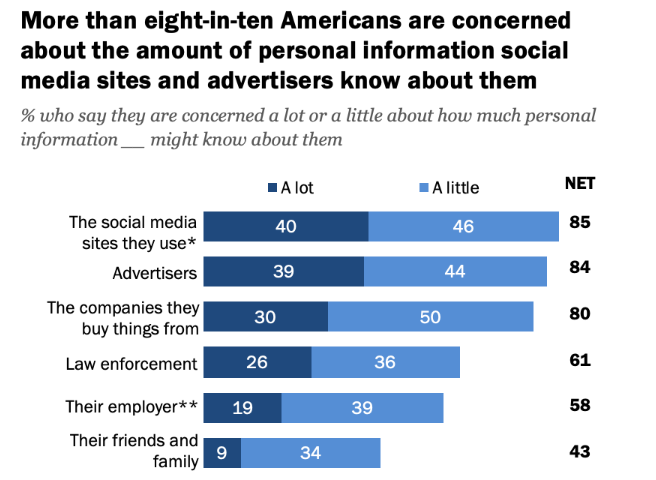
At some point, adtech decided to track absolutely everything they do online. Platforms built huge, invisible systems that followed people across websites and apps. Data brokers collected details that users never knowingly shared.
According to Pew Research, 79% of internet users feel they are tracked by advertisers, and most have no control over it.
2. Disappeared transparency
If you’ve ever wondered where ad money actually goes, the uncomfortable truth is that nobody really knows. A single online ad can pass through dozens of networks, data vendors, and verification tools before it finally appears on someone’s screen (or doesn’t). Each layer takes its cut, hides the trail, and makes the system harder to audit.
The lack of transparency created ideal conditions for fraud. Fake clicks, bot traffic, and artificial impressions lead to billions of dollars wasted every year on ads that never reach real humans.
3. Mega-platforms’ data monopoly
Google, Meta, and Amazon eventually became the center of the entire adtech ecosystem. They ran the bidding process for every ad impression, decided how much ads should cost, and controlled the user data. Publishers no longer had the power to influence how ads appeared on their own platforms, and advertisers were forced to submit to opaque algorithms.
It weakened trust between all sides. Users began installing ad blockers, whereas governments created laws like GDPR and CCPA to put limits on data collection.
How web3 is rewriting advertising
The key features of blockchain advertising are based on the main benefits of blockchain. Let’s look at each of these components separately.

Smart contracts
One of the biggest changes in Web3 advertising is the move toward smart contracts. They allow advertisers and publishers to interact directly without intermediaries. Payments are automated, pricing rules are transparent, and revenue distribution becomes clearer.
Companies like IBM have already experimented with blockchain in advertising. In partnership with MediaOcean, IBM ran a blockchain pilot that allowed brands to track ad spend, delivery, and performance in real time.
New targeting
Another important shift is how targeting works. Instead of collecting hidden data about users, Web3 projects allow people to choose the types of ads they want to see like gaming, finance, or entertainment. Machine learning can then match ads to these preferences, while the user’s identity remains private.
Also, you need to differentiate which types of crypto users you’re targeting, because a user with $100 in their wallet behaves very differently from one with $10,000.
For example, the Ads3 platform enables precise segmentation by wallet tags, interaction history, and Telegram memberships. On their official website, they state that a GameFi project using Ads3’s wallet-balanced targeting increased daily active users (DAU) by 40%.
Attention rewarded
The third major shift is how Web3 rewards attention. Here, users and creators receive tokens or a share of ad revenue for interacting with content. The most famous example here is browser Brave, with its Basic Attention Token (BAT) rewards system.
Lessons crypto founders can learn
As people who will run advertising, or maybe already do it, you need to understand which Web2 marketing mistakes you shouldn’t carry forward and which Web3 best practices you should adopt. Here’s what will help you:
Privacy
Use tools like zero-knowledge proofs (a cryptographic method that verifies something without revealing personal data) and decentralized identities (user-owned identity profiles stored on the blockchain rather than on company servers). With them, projects can show ads to the right people without storing huge amounts of personal data. Users decide what to share and when.
Transparency
Build your crypto marketing strategy around transparent metrics. Every ad impression, payment, or metric can be recorded on-chain so anyone can verify it.

User ownership
Add gamification for users through earning tokens. When someone holds a token in the network they contribute to, they become stakeholders with a reason to help the system grow. For example:
- Brave, a privacy-focused browser, allows users to earn BAT tokens for viewing privacy-respecting ads.
- Permission.io, a data-consent advertising platform, rewards users with ASK tokens for sharing data and opting in.
- Presearch, a decentralized search engine, gives users PRE tokens for searching without being monitored.
Here are several more marketing tips to help crypto founders succeed:
- Create a community. The financial world is risky, so people often trust only the recommendations of people they know. In the academic study “Decoding the Cryptocurrency User”, 14.3% of respondents reported that they entered the cryptocurrency space for the first time based on recommendations from other people.
- Don’t overlook localization. English alone doesn’t reach the global audience, as 75% of people in the world don’t speak English at all. Remember, a new language means a new market.
- Make sure that every step your users go through is clear and easy to complete. Molstud reports that when a process feels too complicated, user drop-off increases by nearly 50%.
- Combine different advertising channels: targeted ads, organic reach, and collaborations with KOLs. Paid advertising burns through budgets quickly, and it doesn’t always deliver results. Targeting is an inexact science. SEO optimization and partnerships with influencers, however, will consistently bring in new users.
Traditional adtech failed because it spied on users and allowed a few huge platforms to take over the entire advertising market. Decentralized advertising takes a different route. Smart contracts cut out the middlemen, and blockchain makes spending and results easy to verify. Besides, users and creators earn a fair share through token rewards.
Startup founders should take privacy, transparency, and fair value distribution as their core values. It will improve your chances of joining the successful 10% of Web3 startups.

Related Posts