





The International 2026 is already underway in Shanghai, where 16 Dota 2 teams are competing for the Aegis. The playoff stage runs August 20-23 at the SPD Bank Oriental Sports Center, with the prize pool now above $3 million.
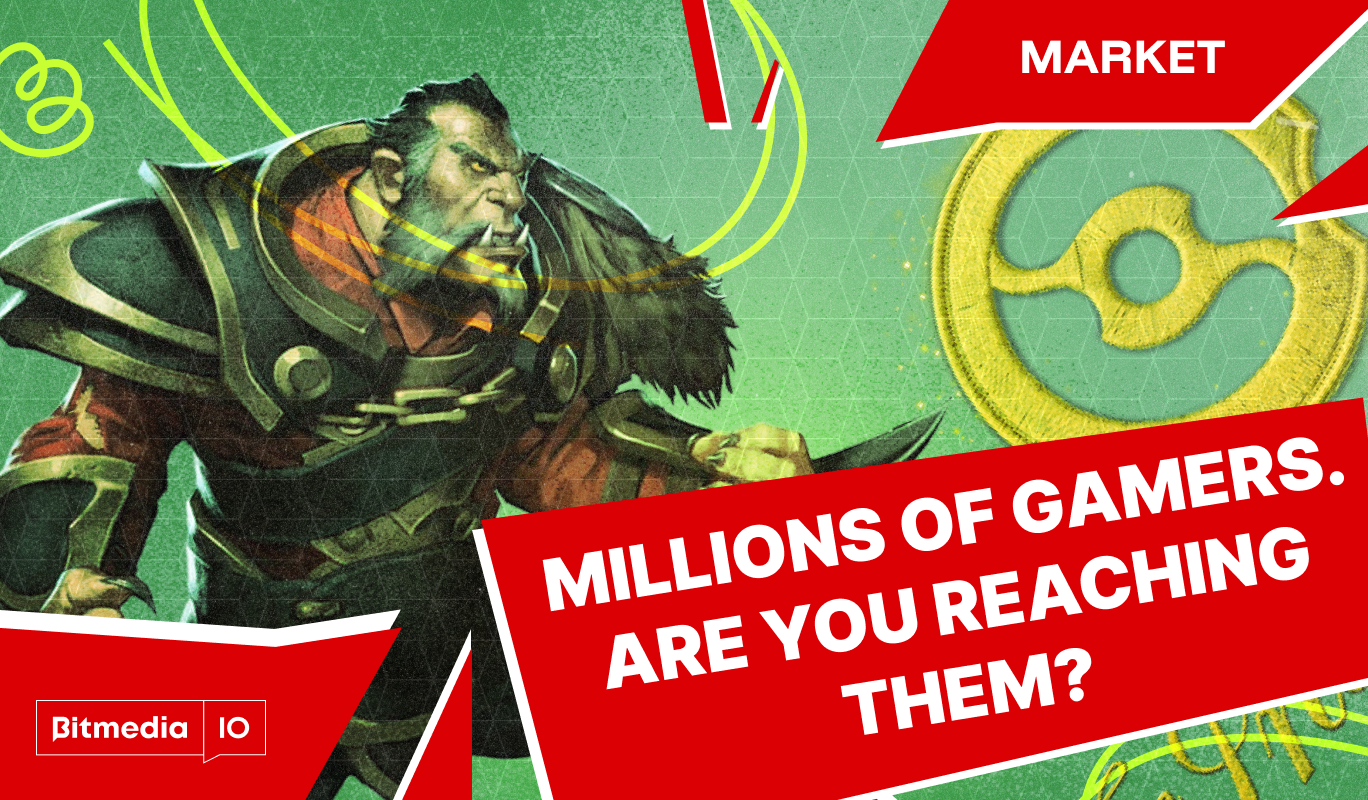
Millions of gamers are following the tournament as the playoff stage approaches. For gaming brands and marketplaces, the playoffs bring a large gaming audience together around the same event.
The harder part is finding the users most relevant to the campaign. Those platforms can deliver scale, but they give advertisers less control over exactly which gaming users they reach.
The International 2026 is already building a large Dota 2 audience
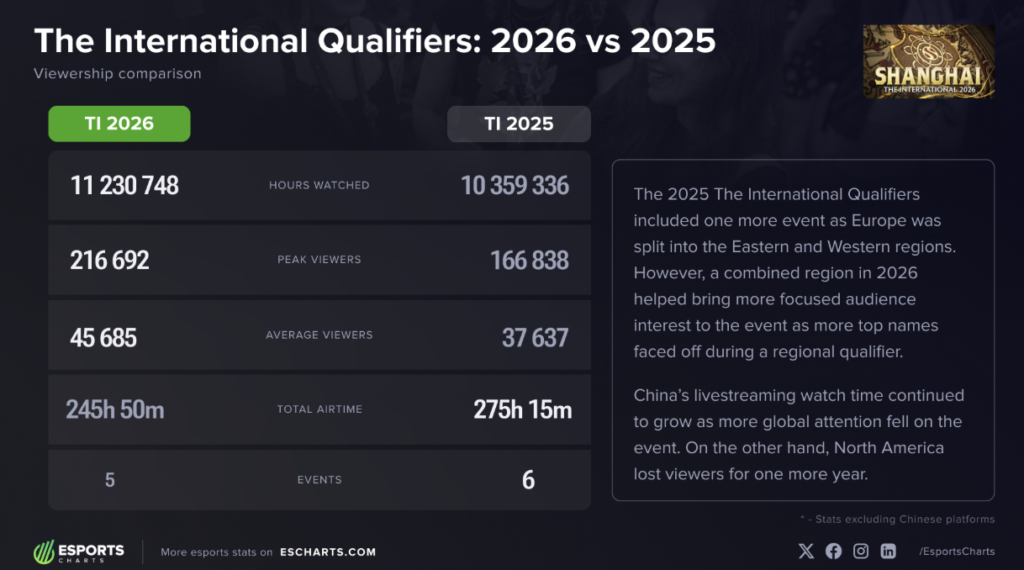
The qualifiers already show how much interest surrounds The International 2026.
Its regional qualifiers generated 11.2 million hours watched, an increase of more than 8.4% compared with the previous year’s qualifier cycle, according to Esports Charts. Average live viewership was also more than 21% higher year over year. The European qualifier alone reached a peak of 216,692 viewers, while the Southeast Asian qualifier peaked at 176,719.
The playoff stage has not started yet, so there is no final TI 2026 peak-viewer figure. The current numbers still give advertisers a useful picture of the interest around the tournament before its most important matches.
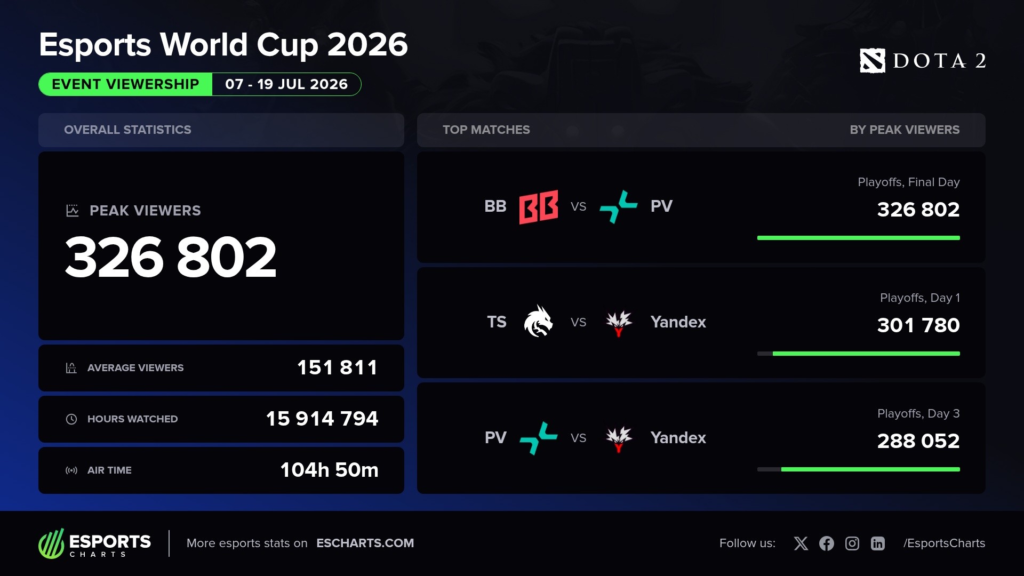
Dota 2 connects with other campaigns and events. Earlier this summer, the game’s tournament at the Esports World Cup 2026 reached a peak of more than 325.4K viewers and generated 15.9 million hours watched.
Why broad ad platforms can miss high-intent gaming customers
Gaming marketplaces have plenty of potential customers. The challenge is finding the users who are most relevant to the business.
Many gaming businesses still rely on traditional advertising platforms, where targeting often starts with demographics or browsing behavior. Those signals do not always show whether the person behind an impression is an active competitive gamer or someone who regularly trades skins.
With esports audiences growing, broad targeting can put more impressions in front of users who are outside a marketplace’s core customer base. The International can attract millions of viewers within a few days. A broad digital campaign may still miss the users a gaming marketplace wants most.
IAB UK makes a similar point from the publisher side: potential PC game players are spread across gaming websites, forums, reviews, communities, and the wider web. Publishers therefore need ways to reach them beyond a single platform.
Overwolf’s 2026 Gamer Grid offers a similar approach. Its targeting system uses signals, including PC gameplay behavior, hardware, and content consumption, to identify highly engaged gamers. Advertisers get a more nuanced view than they would from a generic “gaming interest” category.
A gaming brand may need broad reach across the gaming audience. A skin-trading platform has a narrower target: users who play competitive games and show stronger signals of trading activity.
How Bitmedia helps gaming brands reach more relevant audiences
The International 2026 gives gaming advertisers a concentrated moment of interest around competitive Dota 2. Bitmedia lets advertisers choose the targeting approach that fits their campaign.
Targeting a gaming audience is a fit for brands that want to have a wider reach to gamers around the world. It can help gaming businesses go beyond the usual ad platforms that they are already using. The event is global, so the campaign can reach multiple countries and gaming communities. Gaming audience targeting can help brands reach gamers across markets while the tournament draws global attention.
Gaming wallet-based audience targeting is the more precise option for skin-trading platforms, in-game marketplaces, and businesses involved in crypto-based gaming transactions. It uses wallet-based signals to find users who are closer to the behavior those businesses care about.
A gaming brand may want scale across the global gaming audience. A skin marketplace may care much more about finding active traders.
Bitmedia is offering 63% off gaming wallet-based audience targeting through August 31, plus an additional 5% off all wallet top-ups. The wallet-top-up discount reduces the cost of funding the campaign, while the 63% targeting offer applies to campaigns that need more precise access to gaming and trading audiences.
August can also offer a less crowded advertising environment, as some brands reduce campaign activity during the summer. As a result, advertisers may find it easier to compete for gamers’ attention, which could lead to cheaper acquisition costs.
The timing extends beyond TI 2026. Advertisers can launch during TI 2026 and carry the campaign into September, when FISSURE Playground 3 takes place in Suzhou from September 8-13 with a $1.25 million prize pool. The same audience strategy can carry into the September CS2 event, while the August 31 discount deadline gives advertisers a clear launch window now
Reach gamers worldwide during TI 2026
TI 2026 puts competitive gaming in the spotlight. Use the moment to reach the people who are watching and playing.
Get 63% off gaming wallet-based audience targeting and reach gamers where they already spend their time.
Launch Your Campaign!
Related Posts